

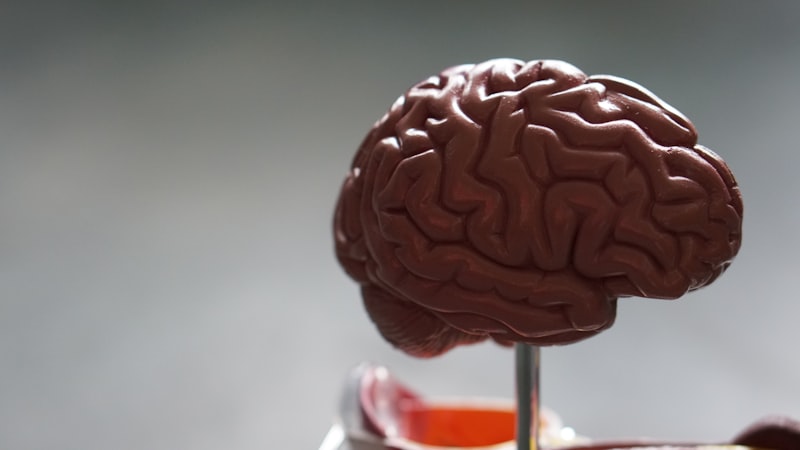
Have you ever felt mentally foggy after skipping a workout, or physically sluggish when you’re stressed or overwhelmed? It’s no coincidence. Your muscles, brain, and blood vessels are constantly communicating, and the health of one directly affects the others. The powerful connection between circulation, muscle health, and brain function provides insights on how to optimize all three for lifelong wellness.
Why Blood Flow Matters More Than You Think
When we think about circulation, we usually focus on heart health. But your blood flow is also a vital support system for both muscle strength and mental clarity. Poor circulation doesn’t just leave you cold or tired—it can gradually contribute to muscle loss, cognitive decline, and chronic disease.
Research shows that vascular disease, sarcopenia (age-related muscle loss), and neurodegenerative conditions often stem from similar root causes:
- Oxidative stress (an imbalance of free radicals and antioxidants)
- Chronic inflammation
- Impaired blood flow
Left unaddressed, these factors can erode your strength, focus, and quality of life.
The Science of Connection: Blood, Brain, and Muscle
Let’s explore how blood flow forms the foundation for both body and brain:
1. Blood Flow Fuels Muscles and the Brain
Healthy circulation ensures that oxygen and nutrients reach your tissues, whether it’s your biceps or your brain. It also helps flush out waste products, such as lactic acid and neurotoxins, keeping your system clean and efficient.
2. Muscle Movement Boosts Circulation
Muscles aren’t just for strength—they’re also part of your circulatory system. When you move, your muscles contract and help push blood back toward the heart. This boosts vascular tone and increases nitric oxide production, which improves blood vessel flexibility and promotes brain cell growth (neurogenesis).
3. Brain Health Depends on Vascular Health
Your brain is one of the most oxygen-hungry organs in your body. Even a slight reduction in blood flow can lead to brain fog, memory problems, and an increased risk of dementia. Conditions such as hypertension and plaque buildup (atherosclerosis) can significantly reduce brain perfusion over time.
What Happens When Circulation Falters?
- Fatigue and low endurance
- Slow muscle recovery or loss of strength
- Memory lapses and difficulty concentrating
- Blood sugar imbalances and metabolic issuesOver time, this can accelerate aging, increase your risk for chronic disease, and impact your independence and mental sharpness.
How to Support Circulation for Muscle and Brain Vitality
The good news? You can take steps to improve circulation and preserve your physical and cognitive health at any age. Here’s how:
🏋️♀️ Exercise Regularly
- Combine resistance training (like weights or bodyweight exercises) with aerobic activity (like walking, cycling, or swimming).
- Even light movement, like stretching or yoga, helps stimulate blood flow.
🥗 Fuel Your Body Wisely
- Eat a protein-rich, anti-inflammatory diet with plenty of antioxidants (fruits, veggies, omega-3s).
- Stay hydrated to maintain stable blood volume and circulation.
🌿 Wellness IV Bar Supplement Smart
- NAD+ and L-carnitine: Support mitochondrial energy production
- Vitamin B12: Vital for nerve and red blood cell health
- Nitric oxide boosters: Help open blood vessels and improve oxygen delivery
- Curcumin: Anti-inflammatory and muscle-protective
- Ginkgo biloba: Supports brain blood flow and focus
Consider IV or Wellness IV Bar Therapies
At Wellness IV Bar, we offer targeted infusions and Shots that support mitochondrial health, boost nitric oxide levels, and combat oxidative stress, providing both your brain and muscles with the essential fuel they need.
Final Thoughts: Strengthen the Flow, Strengthen Your Life
Your muscles and brain are not separate systems—they’re both fueled by the same lifeline: your circulation. By optimizing blood flow, you’re not only protecting your heart—you’re also boosting your strength, enhancing your memory, and preserving your overall vitality.
Reference:
de Lima, E. P., Tanaka, M., Lamas, C. B., Quesada, K., Detregiachi, C. R. P., Araújo, A. C., … & Barbalho, S. M. (2024). Bridging the gap: understanding the link between blood flow, muscle health, and brain function. Medicine and Pharmacology.
