
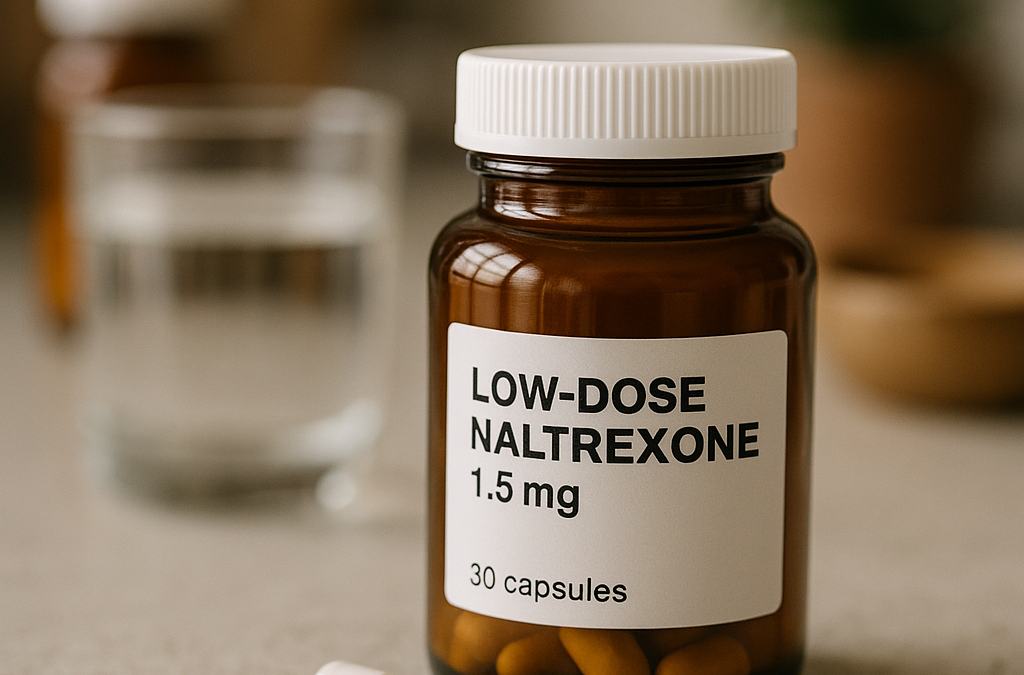
Low-Dose Naltrexone (LDN) is a medication used in very small doses to help support immune balance, reduce inflammation, and improve overall wellness. Originally developed at higher doses for opioid and alcohol dependence, LDN is now commonly used off-label in integrative and functional medicine settings for a variety of chronic conditions.
How LDN Works
LDN temporarily blocks opioid receptors for a short period of time. This mild blockade signals the body to increase production of natural endorphins and immune-regulating chemicals. Over time, this may help reduce inflammation, improve mood, and support immune balance.
Research and clinical use suggest LDN may support individuals dealing with:
- autoimmune conditions
- chronic pain
- inflammatory disorders
- chronic fatigue and brain fog
- neurological symptoms
Why Some Providers Recommend LDN
Many providers favor LDN because it is:
- used in very low doses
- generally well tolerated
- non-addictive
- compatible with long-term use under supervision
What Patients Should Know
LDN is typically started at a very low dose and increased gradually over time. Improvement may take several weeks, and some patients experience temporary symptoms such as vivid dreams, mild fatigue, or headaches while adjusting.
LDN should not be taken with opioid medications and should only be used under the guidance of a qualified healthcare provider.
Conclusion
LDN is not considered a cure, but many patients report improvements in inflammation, comfort, immune balance, and quality of life when it is used as part of a comprehensive treatment plan.
References (APA Style)
National Center for Biotechnology Information. (2020). Low-dose naltrexone (LDN)—Review of therapeutic utilization. National Library of Medicine. https://www.ncbi.nlm.nih.gov/
Younger, J., & Mackey, S. (2009). Fibromyalgia symptoms are reduced by low-dose naltrexone: A pilot study. Pain Medicine, 10(4), 663–672.
Younger, J., Noor, N., McCue, R., & Mackey, S. (2013). Low-dose naltrexone for the treatment of fibromyalgia: Findings of a small randomized, double-blind, placebo-controlled trial assessing daily pain levels. Arthritis & Rheumatism, 65(2), 529–538.